Beyond Knowledge Production: The Missing Role in the Engineering Ecosystem

IEEE is one of the largest engineering and technology organizations in the world.
Every day, it generates new papers, new theories, new algorithms, and new technologies.
It is an extraordinary engine for producing knowledge.
Yet I often ask myself a different question:
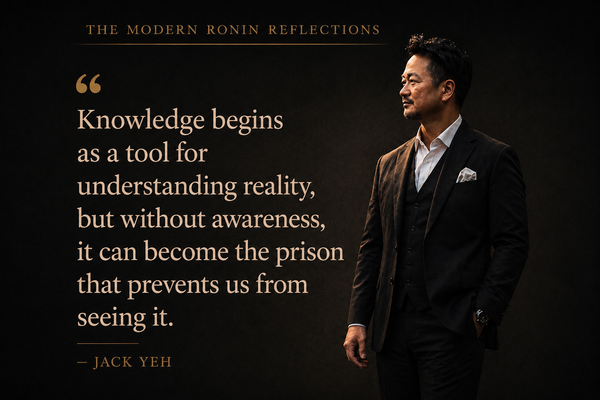
Among this vast amount of knowledge, how much truly stands the test of reality?
How many published ideas eventually become technologies that engineers can rely on in real products?
Over the years, I have realized that our profession does not lack knowledge creators.
What we lack are people who can identify, validate, refine, and communicate the knowledge that truly matters.
That is the path I have chosen.
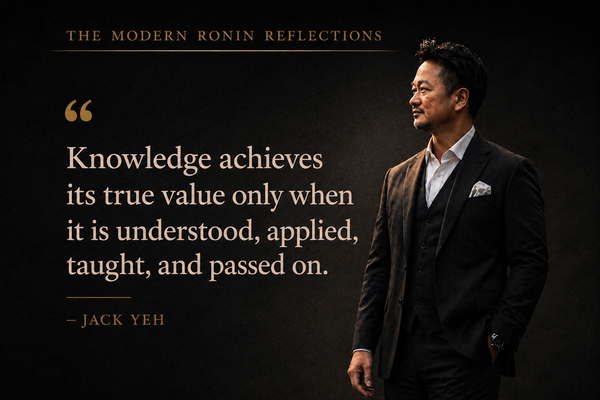
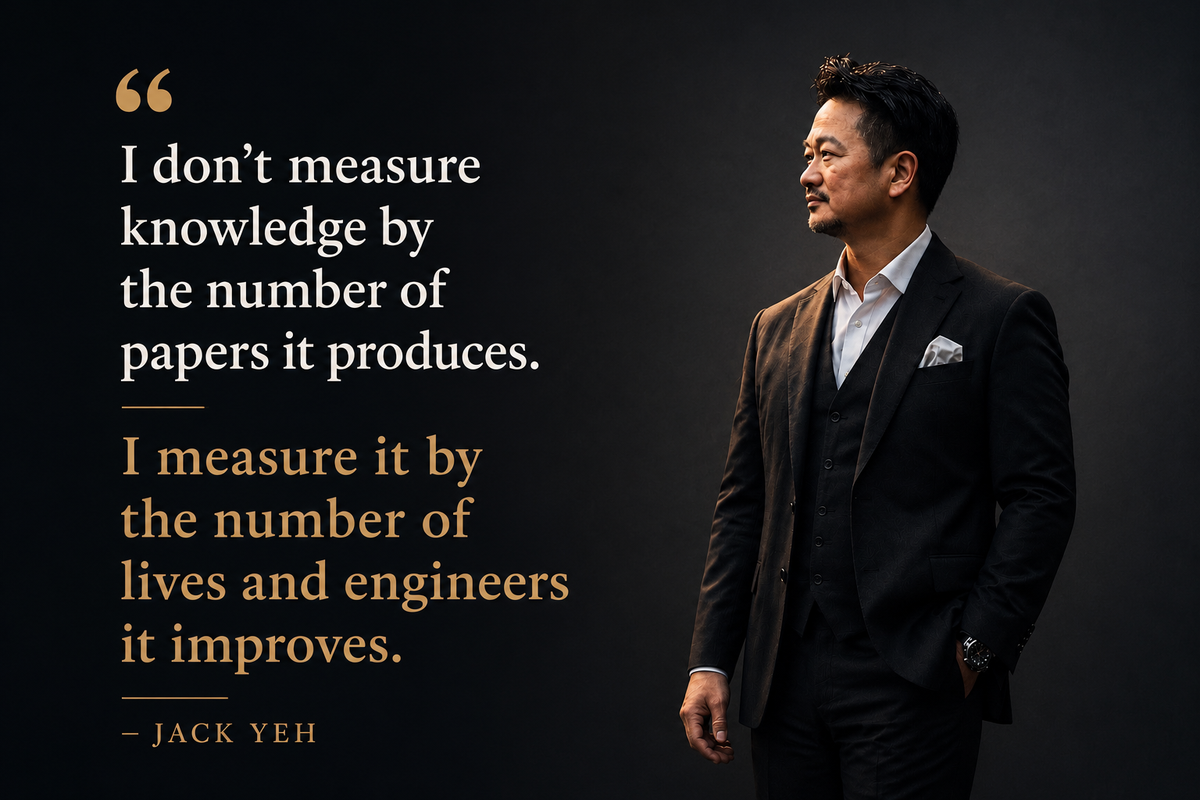
Rather than focusing on producing more papers, I dedicate myself to discovering high-value ideas within the vast body of engineering research, verifying them through practical engineering, and translating them into knowledge that students and engineers can immediately understand and apply.
Through books, courses, videos, and teaching,
I hope to bridge the gap between research and reality.
Because to me,
knowledge becomes meaningful only when it improves the real world.
IEEE 是世界上最大的工程與科技學會之一。
它每天都在產生新的論文、新的理論、新的方法,以及新的技術。
它像是一部龐大的知識製造機,不斷推動人類科技向前發展。
然而,我經常思考一個問題:
在如此龐大的知識洪流中,真正具有長期價值的知識究竟有多少?
又有多少理論,最後真的能跨越論文,走進工廠、產品與真實世界?
我逐漸發現,工程界並不缺乏知識的生產者。
真正稀缺的是另一種角色——
能夠辨識、驗證、整理、翻譯,並將有價值的知識傳遞出去的人。
因此,我沒有把自己的使命放在追求發表更多論文。
我選擇投入另一條道路。
我閱讀 IEEE 的研究,驗證它們是否能在現實中成立,篩選真正具有工程價值的方法,再把它們重新組織成學生與工程師能夠理解、能夠立即應用的知識。
透過書籍、課程、影片與公開分享,
讓知識不只是存在於期刊,
而是真正成為推動工程進步的力量。
對我而言,
知識的價值,不在於它是否新穎,而在於它是否能改變現實。