When There Is No One Left to Defeat
After finishing Vagabond, I found myself reflecting on a fascinating question.
Miyamoto Musashi lived during a unique transition in Japanese history—from the chaos of the Warring States period to the long peace of the Edo era.
During the age of war, strength had a clear purpose.
Strength meant survival.
Strength meant victory.
Strength meant status and recognition.
But after Tokugawa Ieyasu unified Japan, the country entered more than two centuries of peace.
Suddenly, many warriors faced a question they had never needed to ask before:
If there are no more battles to fight, what is the purpose of becoming strong?
I believe we are facing a remarkably similar question today.
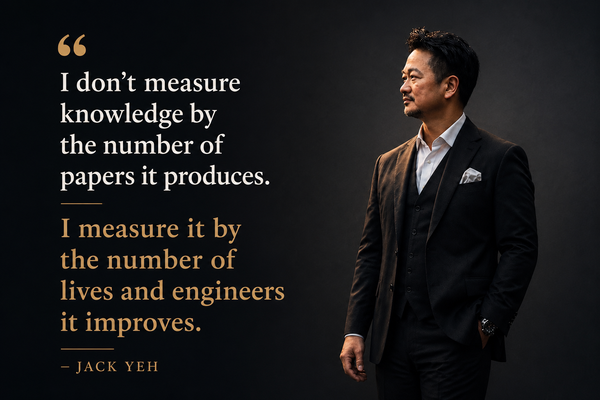
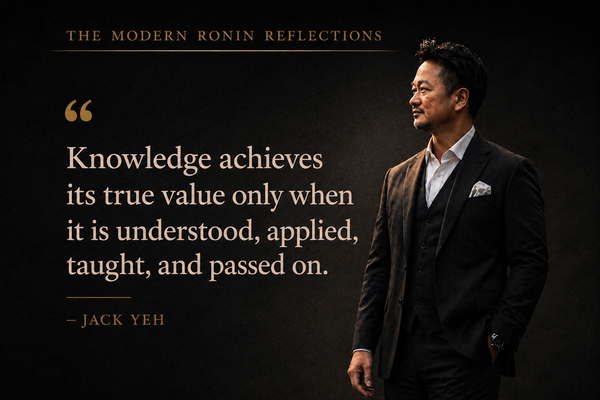
For generations, people pursued knowledge, skills, and professional excellence because these things created opportunities, income, and competitive advantages.
But what happens if AI can perform most of the work we do?
If AI can write code better than we can,
analyze data faster than we can,
create content more efficiently than we can,
and eventually outperform us in many professional tasks,
then what is the purpose of learning?
To me, this is fundamentally the same question.
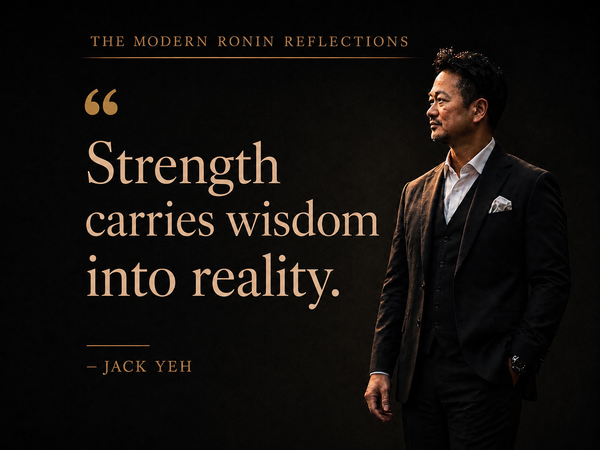
Musashi eventually realized that the purpose of strength was not to defeat others.
It was to understand himself.
I believe humanity may be heading toward a similar realization.
When work is no longer the primary source of identity,
and competition is no longer the central goal,
we are left with more fundamental questions:
Who am I?
Why am I here?
What do I truly want to create?
What do I genuinely love?
Perhaps in that future,
learning will no longer be merely about employment.
Growth will no longer be merely about competition.
Instead, they will become part of a deeper journey of self-discovery.
That, to me, is what makes Vagabond so profound.
On the surface, it is a story about swordsmanship.
But at its core, it asks a much deeper question:
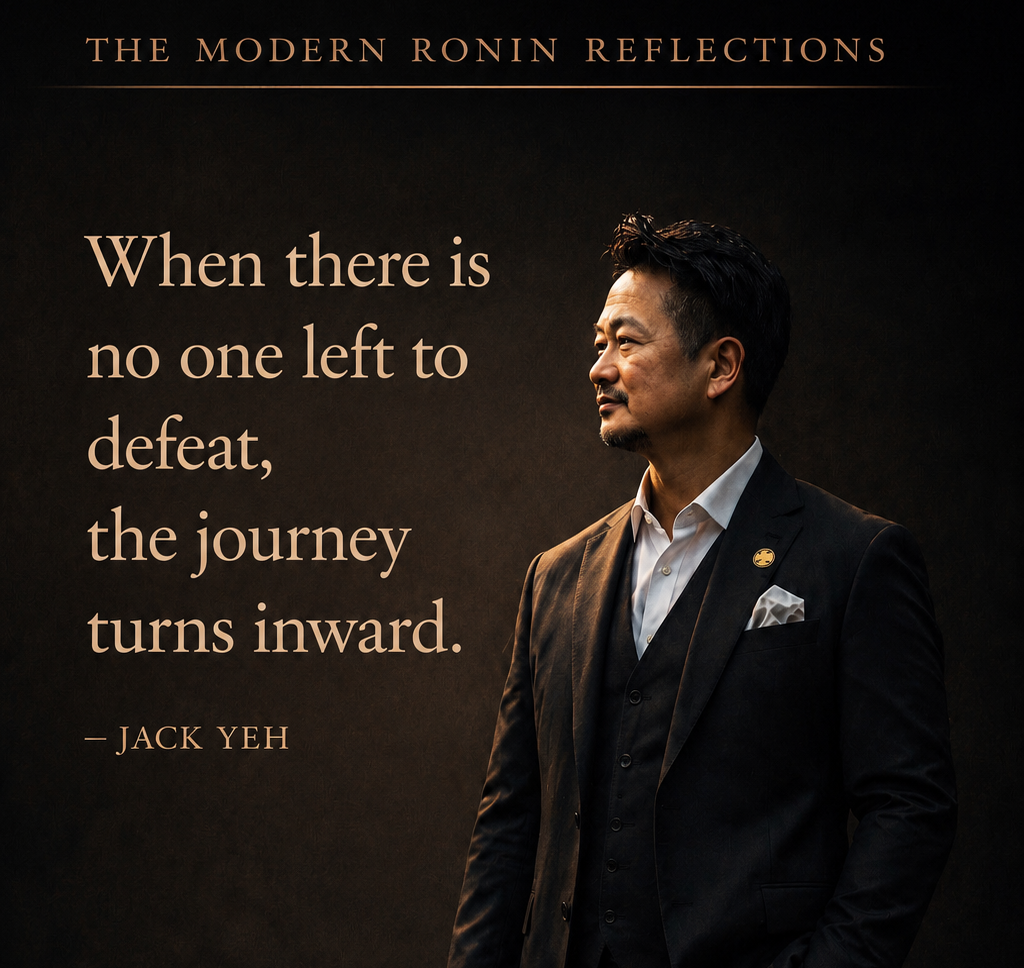
When there is no one left to defeat, do you still know why you live?
當再也沒有敵人的時候
最近看完《浪人劍客》之後,我一直在思考一個很有趣的問題。
宮本武藏所處的時代,正好是日本從戰國時代進入江戶時代的轉折點。
在戰國時代,武士追求強大,是因為有仗要打。
強大代表生存。
強大代表勝利。
強大代表功名。
但當德川家康統一天下之後,日本進入了兩百多年的和平時期。
忽然之間,武士們開始面臨一個從來沒有想過的問題:
如果沒有仗可以打了,那麼追求強大的意義到底是什麼?
我覺得這個問題,和今天的 AI 時代非常相似。
過去的我們努力學習技術、累積專業、提升工作能力,是因為這些能力能夠帶來更好的工作、更高的收入,以及更強的競爭力。
但如果有一天,AI 可以完成大部分甚至絕大部分的工作。
那麼我們又會開始問:
如果 AI 比我更會寫程式,
比我更會畫圖,
比我更會分析資料,
甚至比我更會寫文章。
那麼我努力學習的意義到底是什麼?
我認為,這其實是同一個問題。
武藏後來慢慢發現,強大的目的並不是打敗別人。
而是理解自己。
我想,AI 時代的人類也終將面對同樣的課題。
當工作不再是證明自己的主要方式,
當競爭不再是人生的唯一目標,
我們終究會回到最根本的問題:
我是誰?
我為什麼活著?
我真正想創造什麼?
我真正熱愛的是什麼?
也許到了那一天,
學習不再只是為了工作。
成長不再只是為了競爭。
而是成為一種探索自己的過程。
我覺得《浪人劍客》最深刻的地方正在於此。
它表面上是在講劍術。
但本質上,它談的是:
當再也沒有敵人的時候,
你是否仍然知道自己為什麼而活。